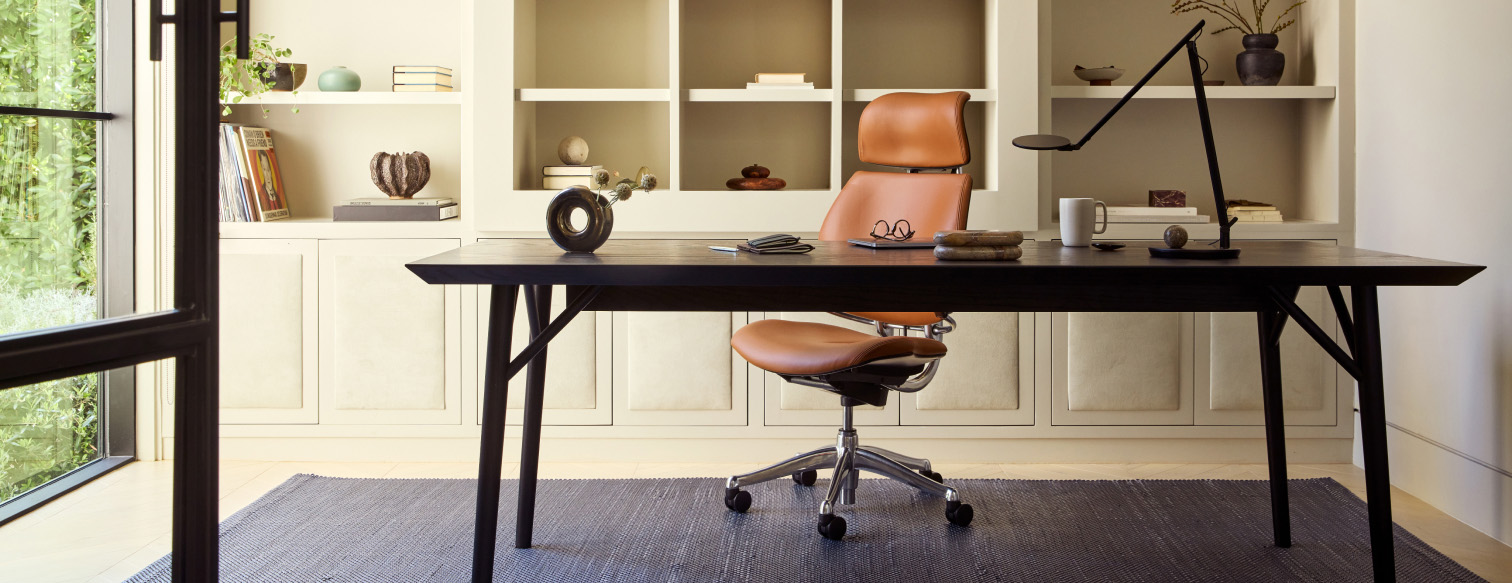
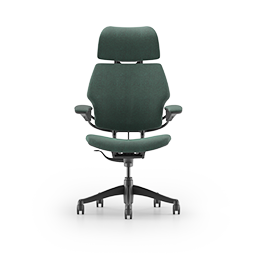
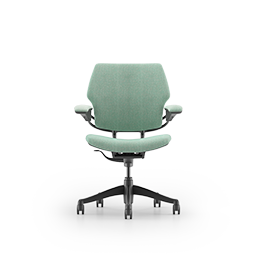
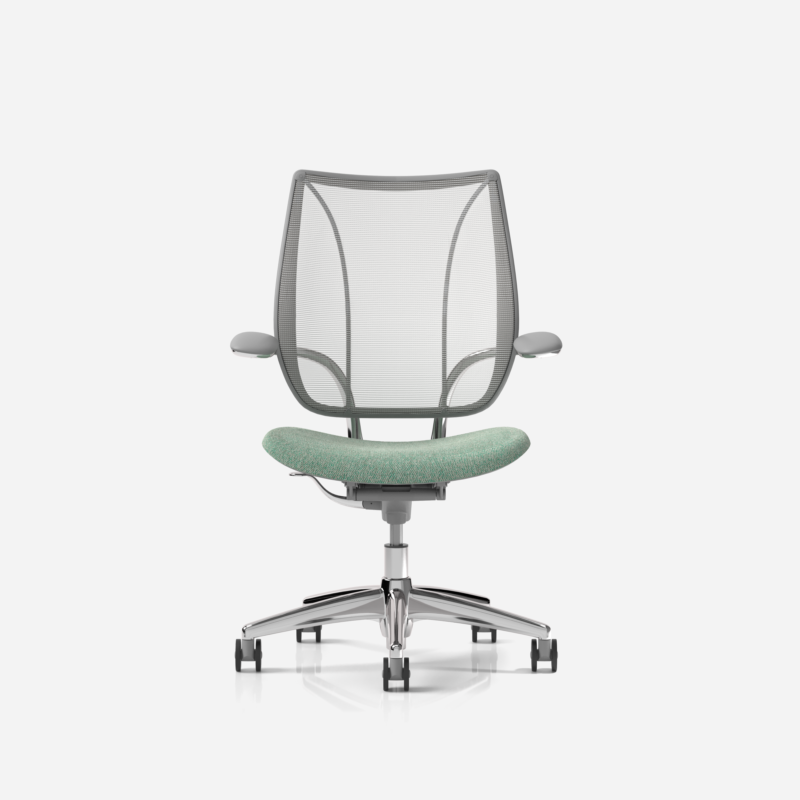
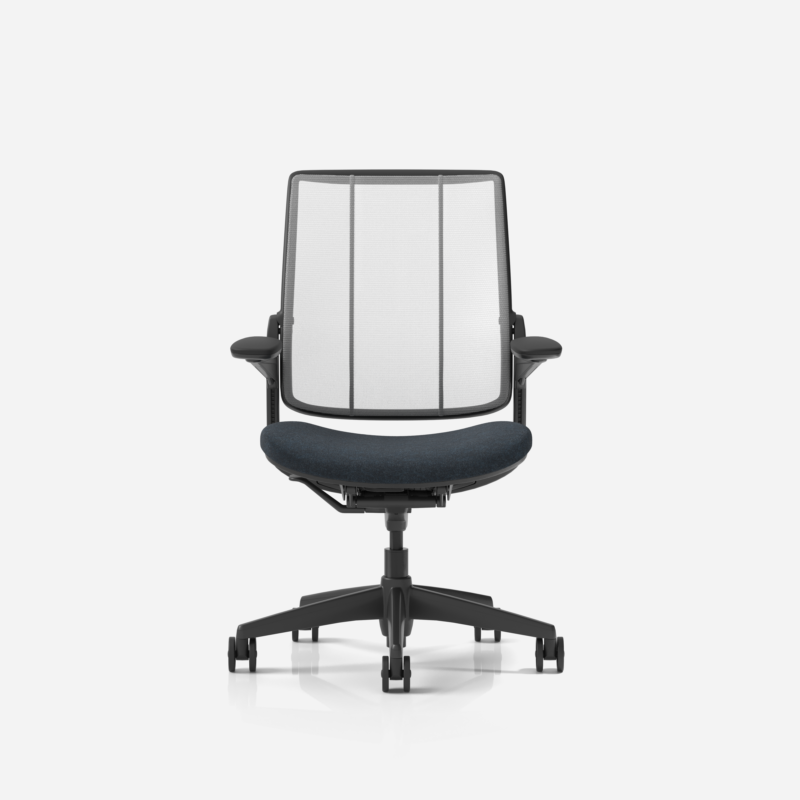
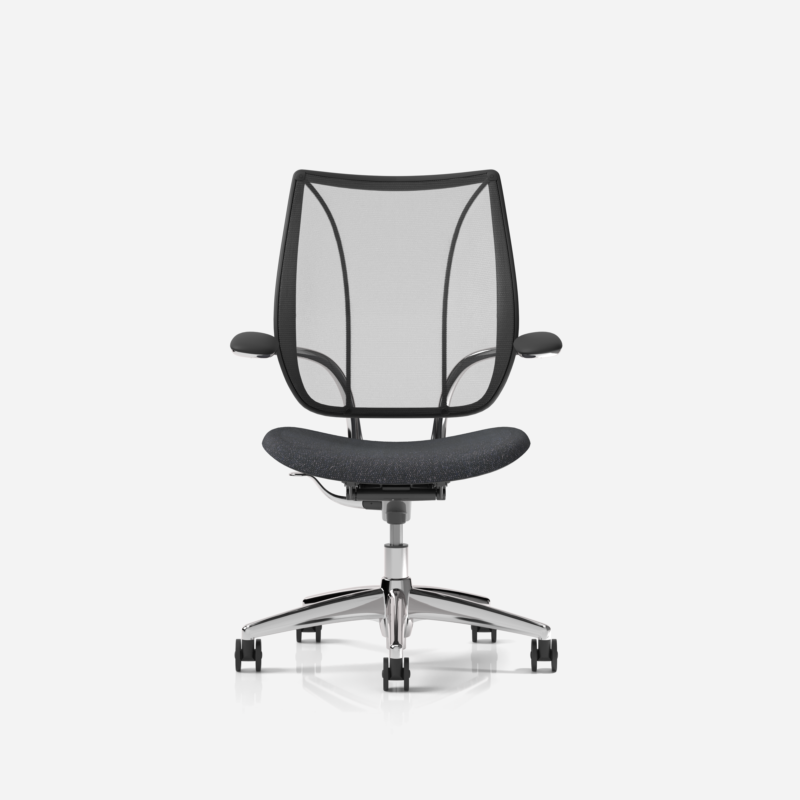
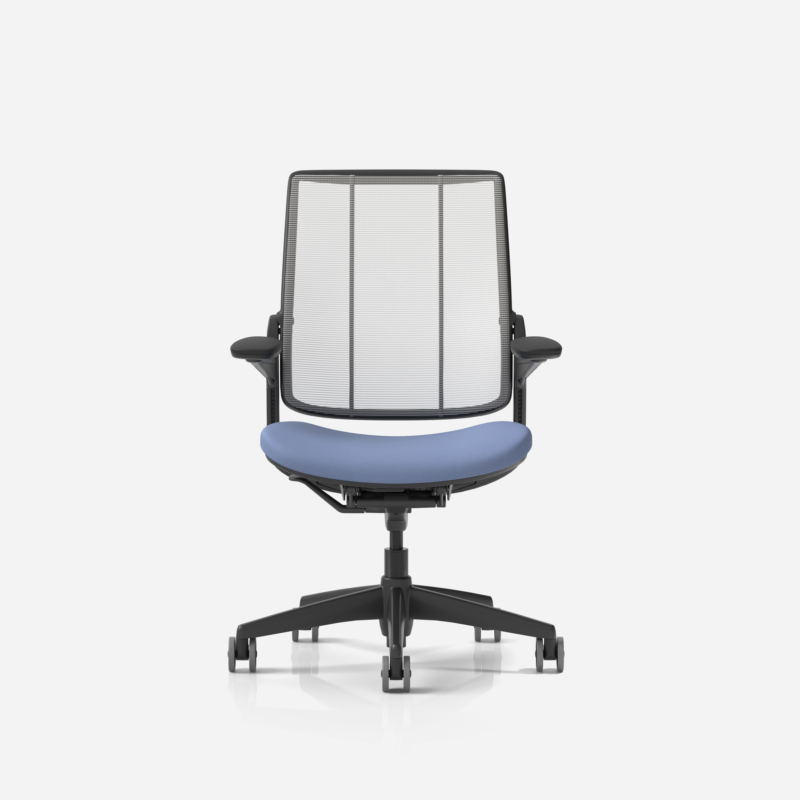
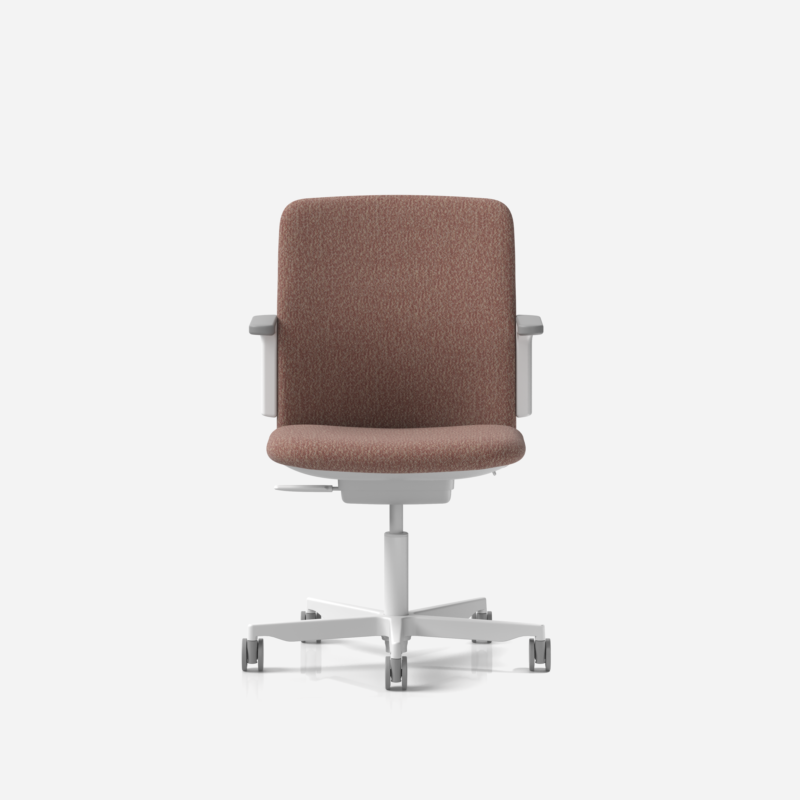
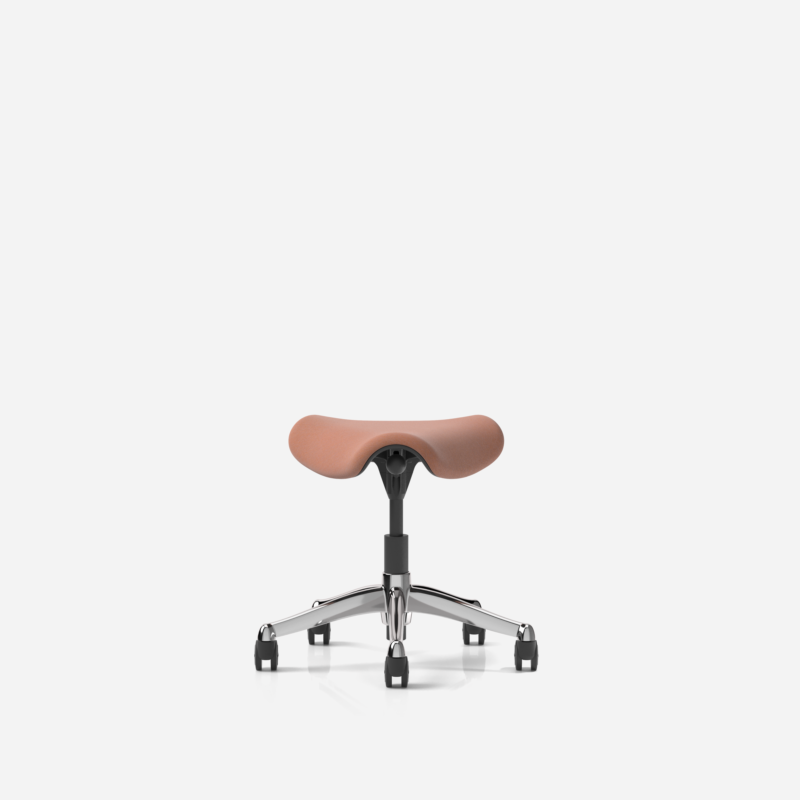
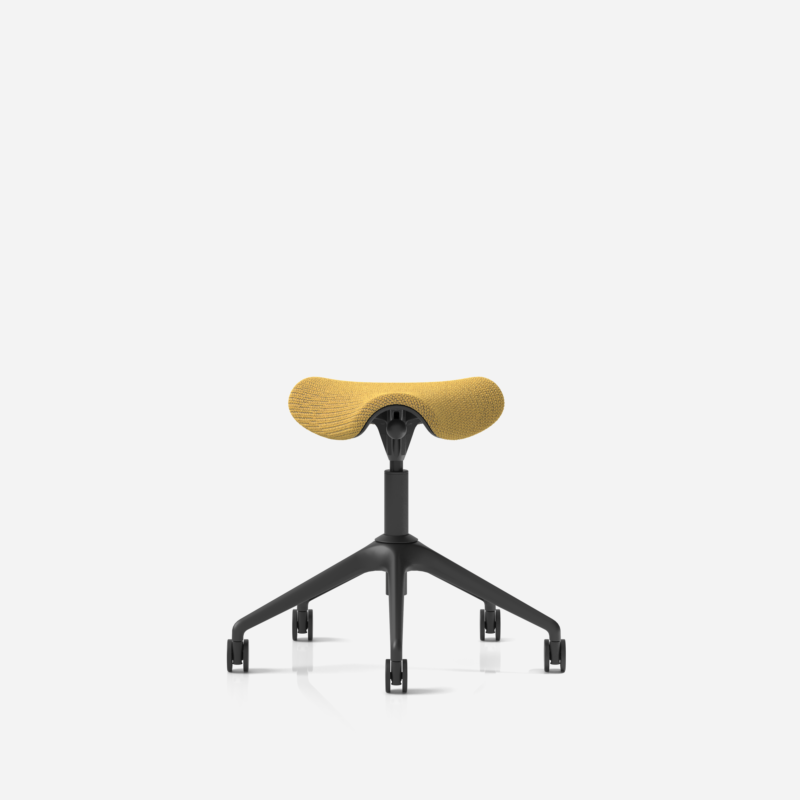
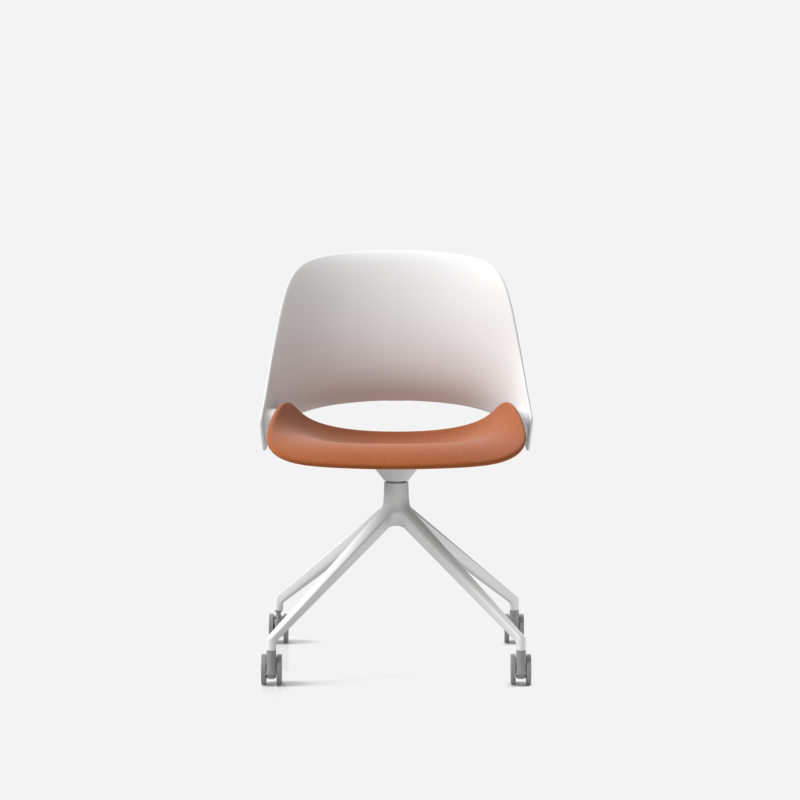
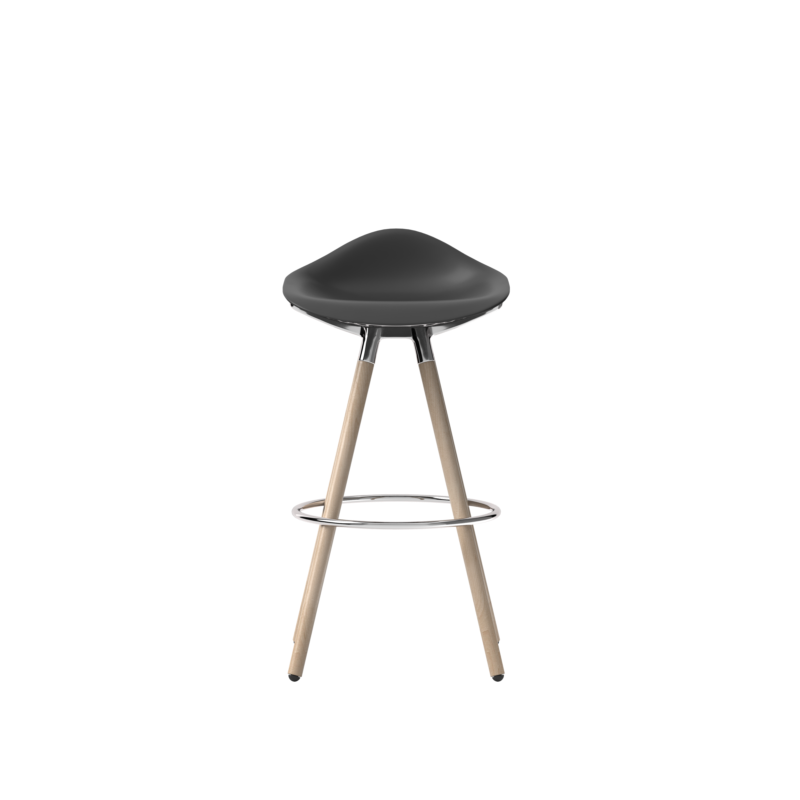
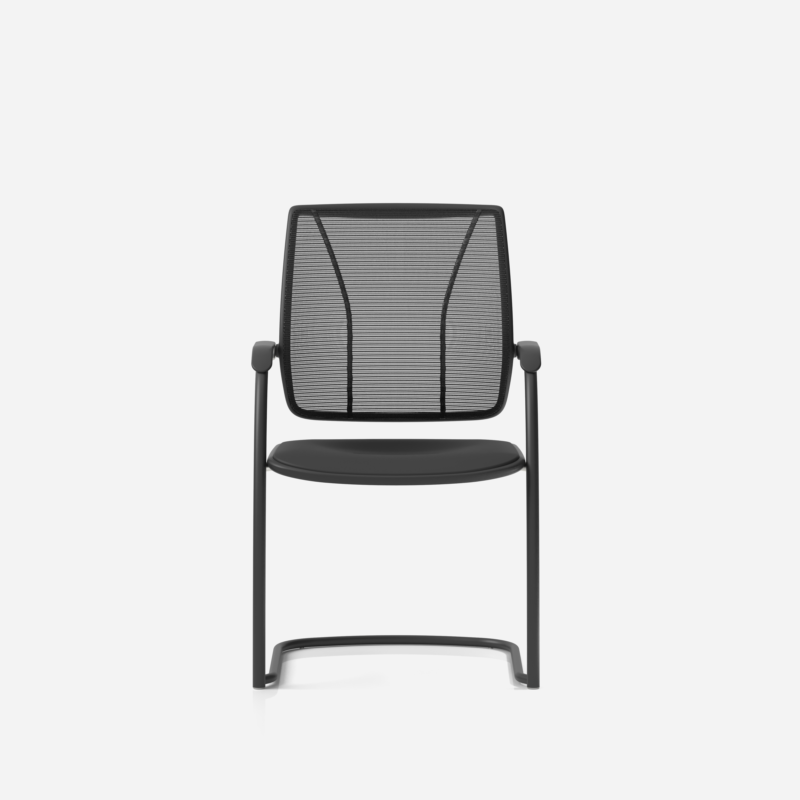
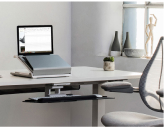
How you work has changed, but most setups still fall short. An office chair without support. A static desk. A screen that pulls you out of alignment. This sale brings office furniture together as a complete ergonomic system. Discover how a chair, desk, and monitor arm work together to improve comfort, movement, and focus across home office and corporate office environments, from dedicated workspaces to compact office setups with a small desk.
Starting at
€1856 €1577
Starting at
€1530 €1300
Starting at
€1358 €1154
Starting at
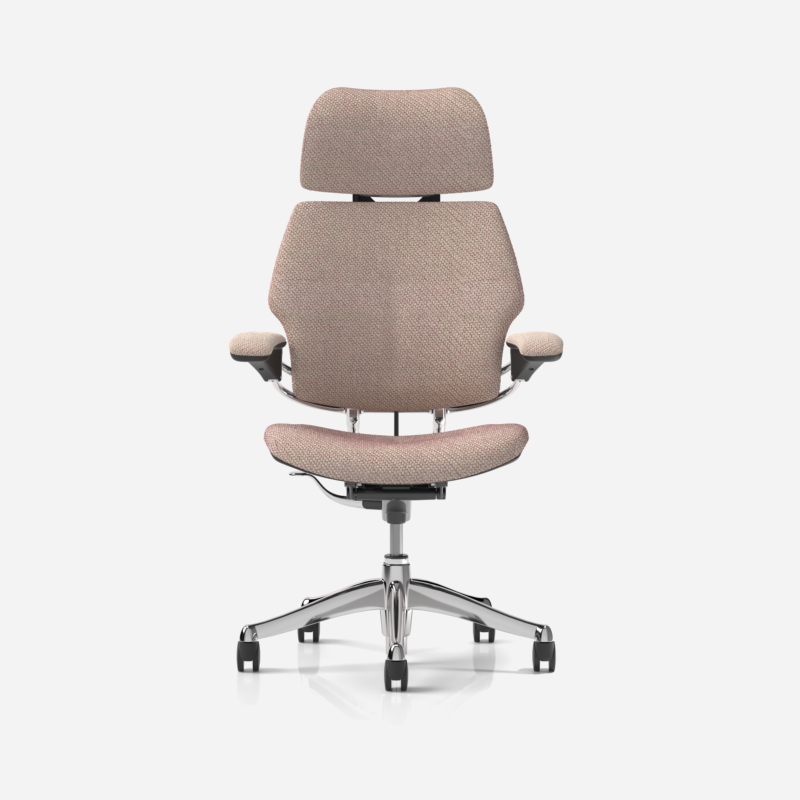
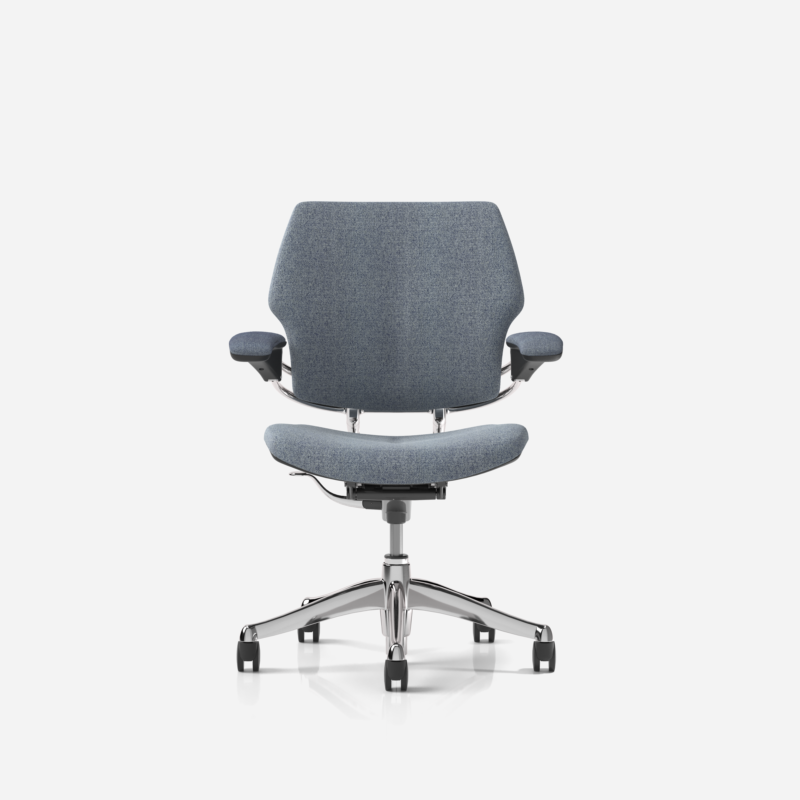
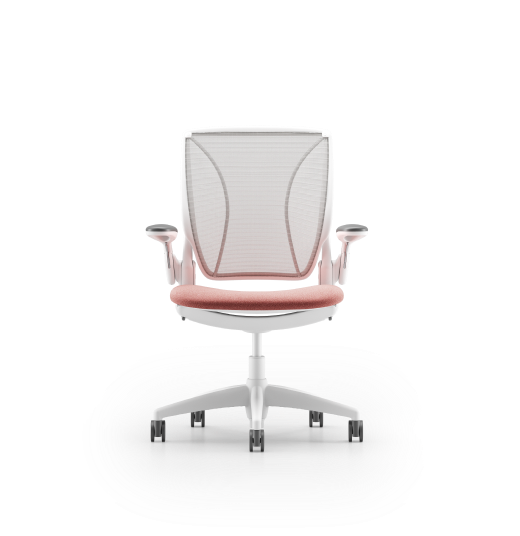
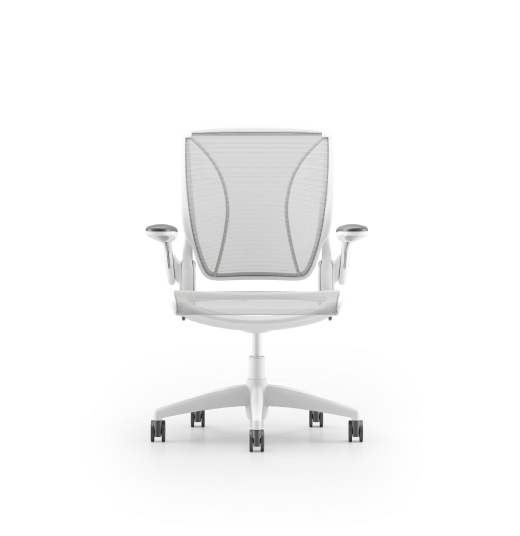
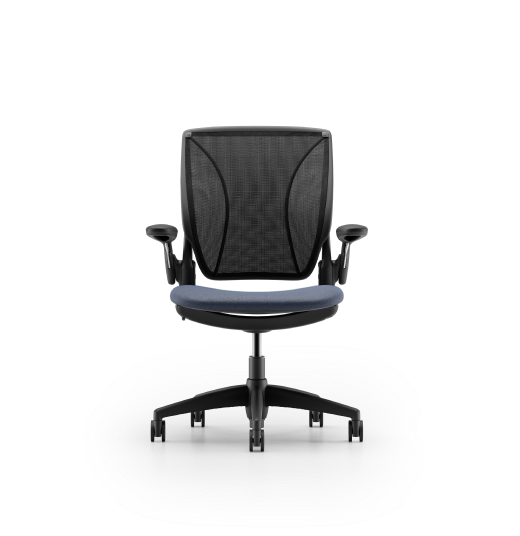
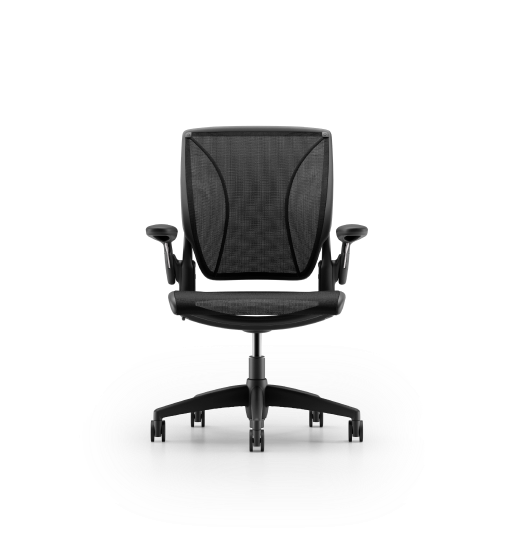
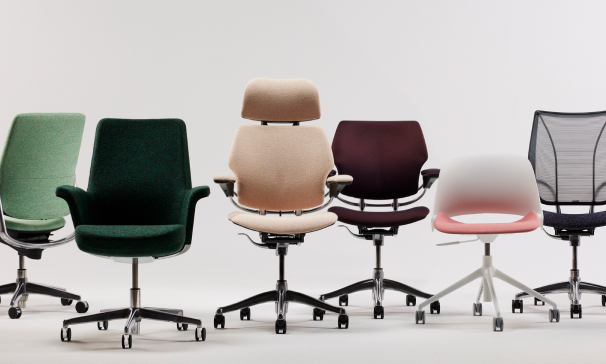
€1085 €922Discover office chairs that automatically respond to your body with effortless precision, encouraging natural movement and continuous support without the need for manual adjustments. Thoughtfully crafted for both home office and corporate environments, Humanscale seating is a more refined approach to sitting well.
Learn More
Starting at
€1679 €1427
Starting at
€1416 €1203
Starting at
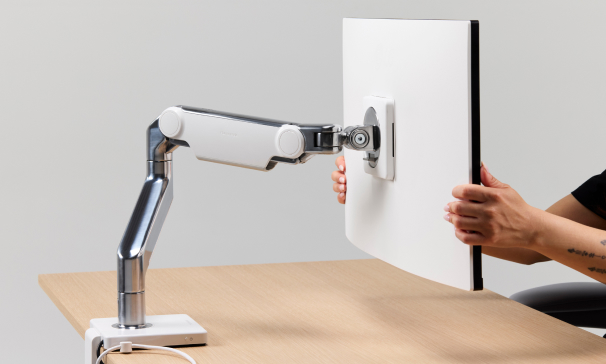
€1333 €1133A considered workspace extends beyond seating. Humanscale’s monitor arms support posture, reduce strain, and optimize viewing angles—all while using fewer materials through efficient, minimal design. A practical step toward a more sustainable office setup.Â
Learn MoreStarting at
€309 €262Starting at
€509 €432
Starting at
€490 €416
Starting at
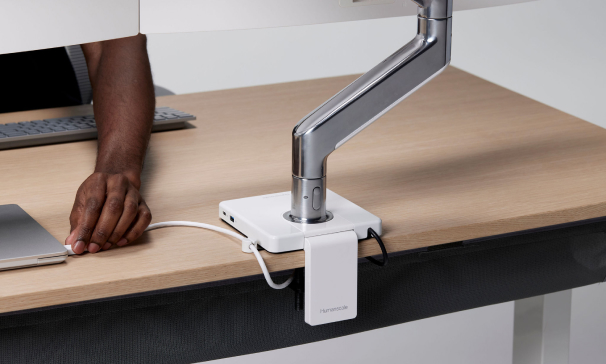
€627 €532Effective cable management keeps cords organised, accessible, and out of the way—reducing visual clutter and creating a cleaner home office environment. These home office desk accessories help maintain focus, improve safety, and support a more intentional workspace.Â
Learn More
Starting at
€178 €151
Starting at
€210 €178
Starting at
€204 €173
Starting at
€204 €173
Starting at
€122 €103Starting at
€155 €131
Starting at
€28 €23
Starting at
€152 €129
Starting at
€240 €204Starting at
€763 €648
Starting at
€902 €766Starting at
€717 €609The right office setup can support your health—or hinder your posture and comfort. Here’s expert-backed guidance to help you choose the right office chair and desk and build a workspace that truly works for you.
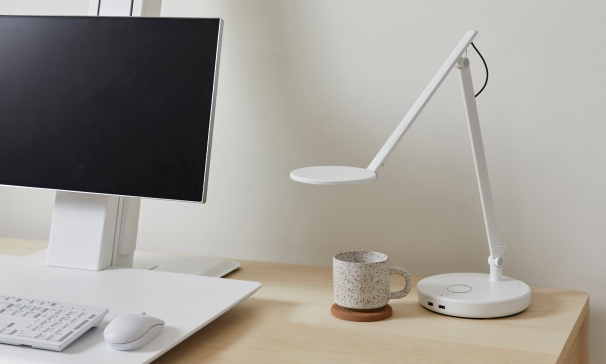
Why It Matters
The right office chair isn’t just a convenience—it’s a tool for protecting your spine, preventing fatigue, and supporting long-term musculoskeletal health. With many people spending 6 to 10 hours a day seated, the wrong desk chair can quietly contribute to poor posture, back pain, and reduced productivity over time.
What to Look For
A great desk chair doesn’t force you to fit into its design—it adjusts to you. Look for task chairs that support dynamic movement, automatically adapting to your posture and weight as you shift throughout the day. This is especially important in shared workspaces or for people with different body types.
Start with BIFMA certification—it ensures office chairs have been tested for ergonomic support, safety, and durability. Then evaluate the recline mechanism: does it encourage movement, or keep you locked in one position? Avoid desk chairs with outdated levers and tension knobs; modern options use weight-sensitive recline and synchronous movement to keep you supported without manual adjustments.
Armrests should be fully adjustable and allow you to sit with your shoulders relaxed—not raised or strained. Fixed or oversized arms create tension and restrict movement. Well-designed armrests use multi-layered padding that stays supportive over time, balancing softness with structure.
Seat foam matters. Cheap foam flattens fast and causes pressure points. Look for high-density foam that stays supportive and comfortable even after years of daily use.
Read the full Guide: How to Select a Great Task Chair: A Guide to Quality, Comfort, and Longevity
Why It Matters
Most office furniture isn’t designed to fit the majority of people. Standard desks and chairs are built around a narrow set of body dimensions, leaving most users without proper ergonomic support. This mismatch contributes to poor posture, fatigue, and long-term musculoskeletal strain.
An ergonomic home office adapts to your body, encouraging movement and supporting healthy posture throughout the day. Certified ergonomists agree: it starts with proper setup.
What to Look For
Choose a chair that moves with you. Your feet should rest flat on the floor, with your thighs parallel to the ground. Adjust your desk to match elbow height in both seated and standing positions. Position your monitor so the top of the screen is at or just below eye level. Keep your keyboard and mouse close to maintain a relaxed, neutral posture.
Lighting, positioning, and movement matter just as much. Small adjustments—like seat depth, monitor angle, and regular movement breaks—reduce strain and improve comfort over time.
Read the full Guide: How to Set Up an Ergonomic Home Office Workstation
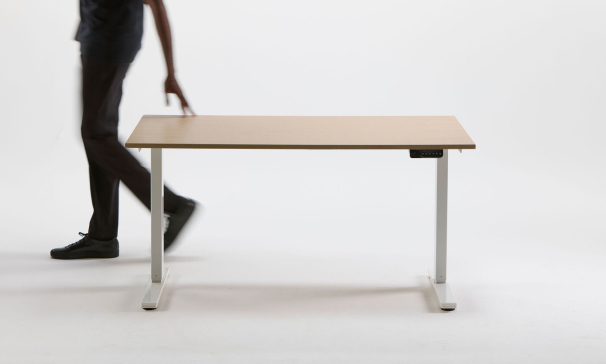
Sitting for hours without movement can lead to discomfort, reduced energy, and long-term health risks. Standing desks provide an evidence-based way to break up static postures and support healthier work habits. By alternating between sitting and standing, you encourage better circulation, reduce pressure on the spine, and stay more engaged throughout the day.
Standing desks aren’t a one-size-fits-all solution—they come in a range of designs, from compact models for small spaces to collaborative setups for shared environments. Used correctly, they can help reduce back pain, improve posture, and make your workday more active without disrupting focus.
Read the full Guide: The Benefits of Standing Desks